
Fewer resources lower outcomes - it isn't rocket science
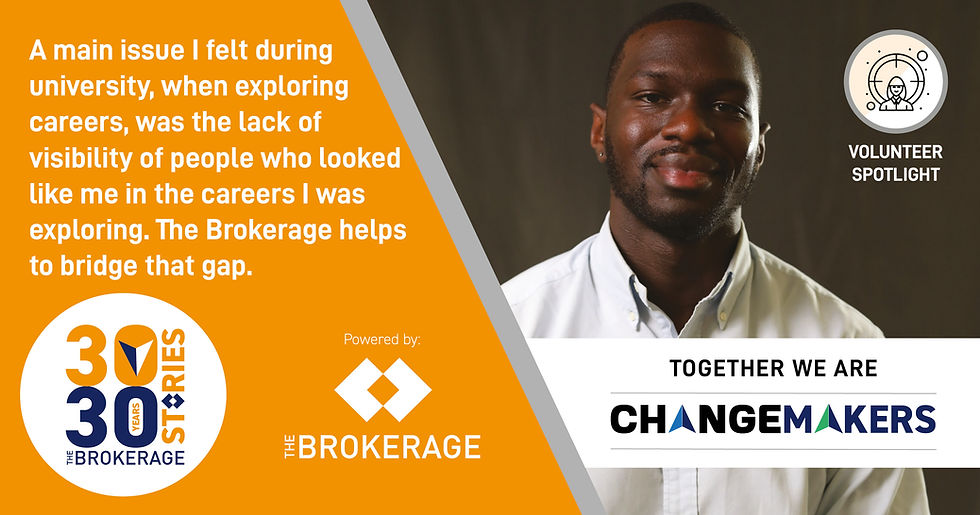
Story from Tom - Interim CEO at The Brokerage
Fewer resources, lower outcomes - it isn't rocket science!

Read Tom's story on social mobility as part of 30 Years. 30 Stories. from The Brokerage. Tom's Profile
Career History:
Guitar teacher
Secondary Music Teacher
Various roles at social mobility charity The Access Project
Senior programme manager, Head of Insights and Impact and now Interim CEO at The Brokerage
In Tom's own words.
Why do I work in social mobility?
13 years ago I was teaching at a school in South London. The school had a very high percentage of students on free school meals. The sixth form was small, and few students went on to university.
One of my students - we’ll call them Sam - was the exception. I taught Sam and helped them get very good grades at A level. I also helped with their uni application.
They got a place, the first person in their family to do so. Results day I said well done and expected not to see them again as they went off the uni and the rest of their life. And then, a few months later, I did see Sam again. Sam was in the school, working as a cleaner.
Nothing wrong with working as a cleaner, that's important work that should be valued and well paid, but it was term time. Sam had dropped out of uni.
Talking to Sam it was very clear they’d dropped out because of something like culture shock. They didn't know how to fit in, didn't know anyone else who had ever been to uni, didn't have any support from the uni itself.
This was the inspiration for me to start working in social mobility. It is wrong to allow talent like Sam’s to go to waste, especially for such poor reasons. Everyone deserves to go as far as their talents will take them, regardless of their background.
At the individual level, the support needed to make those steps - to be the first in your family to go to uni or start a professional job - is not difficult. It's giving people a chance and giving the sort of support someone else might already be able to access through existing family and contacts.
The challenge is making that support available for everybody, regardless of background.

What’s the best thing about working for The Brokerage?
The people, of course! And the change we make happen together. Colleagues, partners, volunteers, and, above all, the young people we work with. There’s nothing better than getting to spend every day working on something that definitely has a positive impact on someone’s life, with people who are just as committed to making sure that positive impact happens.
This work does make a difference. Every now and then, past students do get in touch. Some of my most prized possessions are screenshots of messages from old students. One reached out 11 years after I had worked with her to say thank you for the guidance I had provided when helping her apply for uni. Another reached out years after the fact, thanking me for introducing them to performing arts and helping kickstart their career.
Much of my time at The Brokerage has focused on impact – uncovering stories of young people who start with all the raw talent and drive but without the connections, without the knowledge of where they could aim. Working for The Brokerage means we get to help them make those connections and learn about all the many and varied professional career paths they could follow.

What is your own experience of social mobility?
My parents were teachers, and I went to an East London state school that has always been middling on every statistic, whether it be attainment or demographics of the student body. So, I wouldn’t claim to have had a disadvantaged background in any way. But I didn't know all the opportunities out there, particularly since I was pretty academic. My parents were the first in their families to get degrees, and my father died when I was a teenager. We didn’t have any family friends or connections. I ended up going to uni, then falling into teaching because my parents had done it. It was only in my thirties that I finally moved into charity and figured out what I wanted to do. And only in doing this work did I think about all the different career paths my academics could have taken me down. I definitely didn’t make informed career decisions, and I’m glad I get to help other people make better-informed decisions now.
What do you wish everyone knew about social mobility?
That it’s a real and measurable problem. That it is a problem we can solve. That the problem does not lie with the young person.
Every time we look at labour market data, from every angle, we find that people who start off with fewer resources have worse outcomes. They don’t get the educational experiences, access to jobs, promotions, and pay that their better-resourced peers do.
It’s such a waste of talent. It means there is wasted potential all around us.
That lack of social mobility is not a failure on the part of the young people themselves.
They don’t lack the skills or the drive.
They don’t lack aspirations.
I’ve never met a young person who didn’t want to do well.
They might not always know what all the options are, but that’s not the same as a lack of aspiration.
The problem is what we offer to young people.
There are young people who do not have access to the support and connections they need, because neither their parents nor the state can provide them. And that’s where organisations like The Brokerage can and do make a real difference. I’m proud to be part of a team that can offer those connections and support.

I don't know what happened to Sam, the student who dropped out of uni. That's the nature of working with young people; it's not appropriate to stay in touch just because you're curious! But I do know that, through my work with The Brokerage and, before that, in my teaching career and at The Access Project, I’ve played a small part in helping thousands of Sams make proper use of their talents.
If you're Alumni of The Brokerage programmes - reach out to us and share your story:


https://rr88.bar/ tình cờ được mình biết đến khi đang đọc một bài viết về quản lý tài liệu và xem phần nguồn tham khảo ở cuối trang. Thấy tên này nằm trong danh sách nên mình mở thử cho biết, chủ yếu tò mò xem cách trình bày có khác những công cụ mình từng thấy không. Mình chỉ lướt qua vài trang, không đi sâu vào từng tính năng. Điều dễ nhận thấy là bố cục khá sạch, tiêu đề và nội dung được phân biệt rõ, chuyển qua các khu vực cũng tương đối thuận. Xem nhanh trên máy tính lẫn điện thoại đều không tạo cảm giác quá rối.
https://123b-vn.icu/ mình cũng kiểu nghe người ta nhắc nên bấm vào xem thử cho biết thôi. Không có ngồi đọc hết nội dung đâu, chủ yếu lướt giao diện với cách họ chia phần. Thấy trang làm khá dễ theo dõi, mấy tiêu đề đặt thẳng thắn nên nhìn cái là đoán được chủ đề đang nói gì. Có đoạn giới thiệu viết ngắn gọn, nói họ kết hợp sáng tạo với chức năng trong kiến trúc nên mình đọc lướt vẫn nắm ý. Mình thích kiểu cuộn xuống là từng khối nội dung tách riêng, không bị nhồi chữ, nhìn đỡ mệt mắt. Phần điều hướng cũng ổn, chuyển qua lại không bị rối, nhất là heading “Cam kết đổi…
Mình bắt gặp https://betlead88.com/ khi đang tìm tài liệu liên quan đến một nội dung mình quan tâm nên đã mở vào đọc thử. Mình chỉ lướt qua để tham khảo cách họ trình bày và phân chia các chuyên mục. Cảm nhận đầu tiên là bố cục khá sạch, từng nhóm nội dung được tách ra rõ ràng nên không tạo cảm giác quá tải. Tổng thể, website có cách trình bày gọn và khá dễ theo dõi. Các tiêu đề có kích thước phù hợp, giúp người xem dễ theo dõi vị trí khi kéo xuống.
ee88 com tình cờ được mình biết đến khi đang đọc một bài viết về quản lý tài liệu và xem phần nguồn tham khảo ở cuối trang. Thấy tên này nằm trong danh sách nên mình mở thử cho biết, chủ yếu tò mò xem cách trình bày có khác những công cụ mình từng thấy không. Mình chỉ lướt qua vài trang, không đi sâu vào từng tính năng. Điều dễ nhận thấy là bố cục khá sạch, tiêu đề và nội dung được phân biệt rõ, chuyển qua các khu vực cũng tương đối thuận. Xem nhanh trên máy tính lẫn điện thoại đều không tạo cảm giác quá rối.
Lúc nghỉ ngơi, mình mở LMHAPKSX để xem thử vì trước đó tình cờ nghe một vài người nhắc tới. Mình chủ yếu quan sát giao diện và cách website sắp xếp các chuyên mục, Mình đọc thử một vài nội dung giúp bạn tìm kiếm và tải game mod apk, ứng dụng premium cho Android nhanh chóng, luôn cập nhật các phiên bản mới nhất và cải tiến tính năng MOD để mang đến trải nghiệm tuyệt vời. Sau vài phút lướt trang, mình thấy các khu vực được chia khá rõ, khoảng cách giữa các phần hợp lý nên nhìn tổng thể không bị rối. Tiêu đề từng mục có độ lớn vừa phải, giúp theo dõi vị trí…